A useful proposal states which floors are included, how accessible equipment areas will be handled, whether dining or service-station tile is part of the work, and how long the floor is expected to remain out of use. It should also distinguish cleaning from repair. Cracked tile, eroded grout, loose transitions and damaged floor coatings require corrective work beyond degreasing.
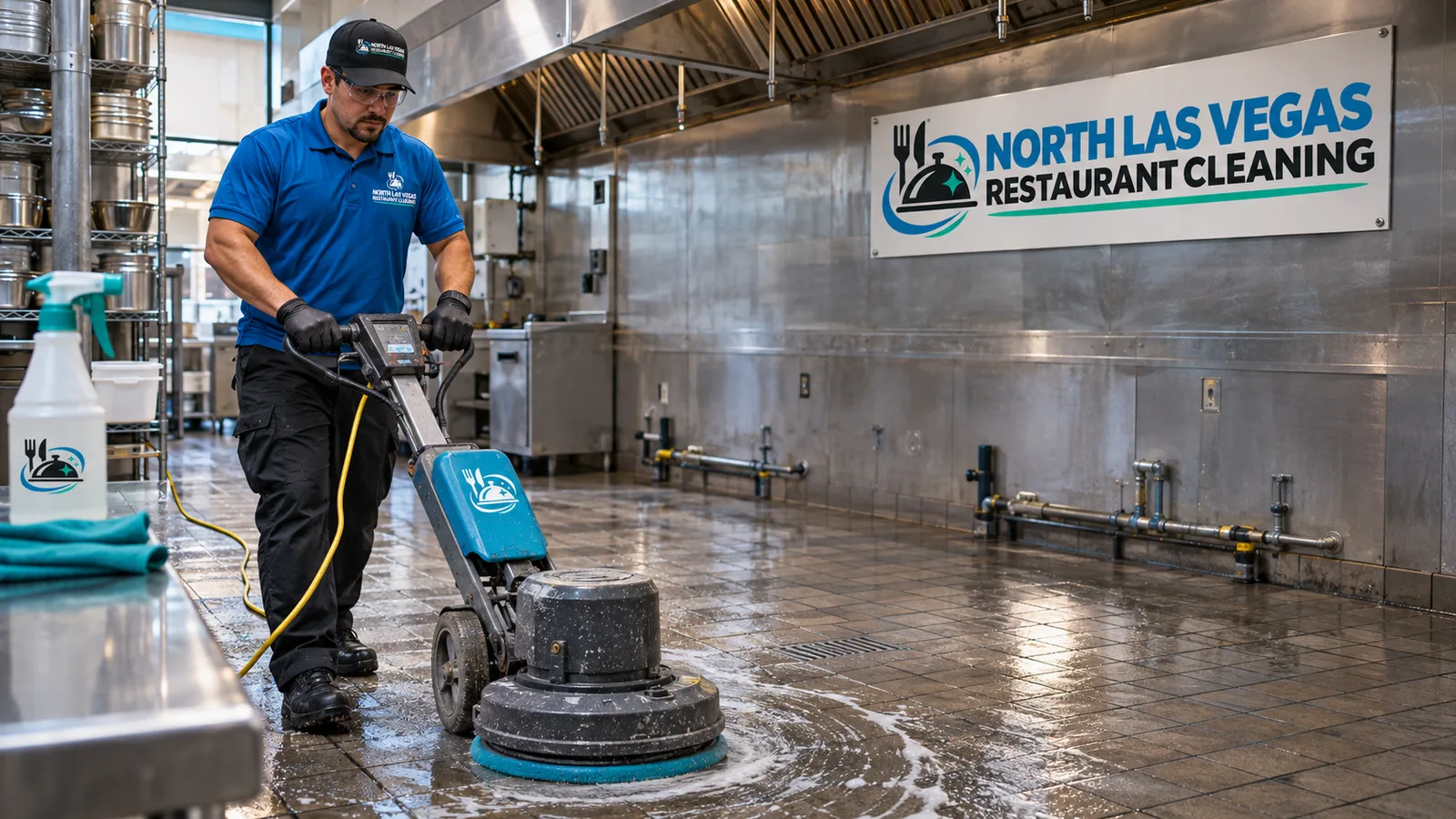
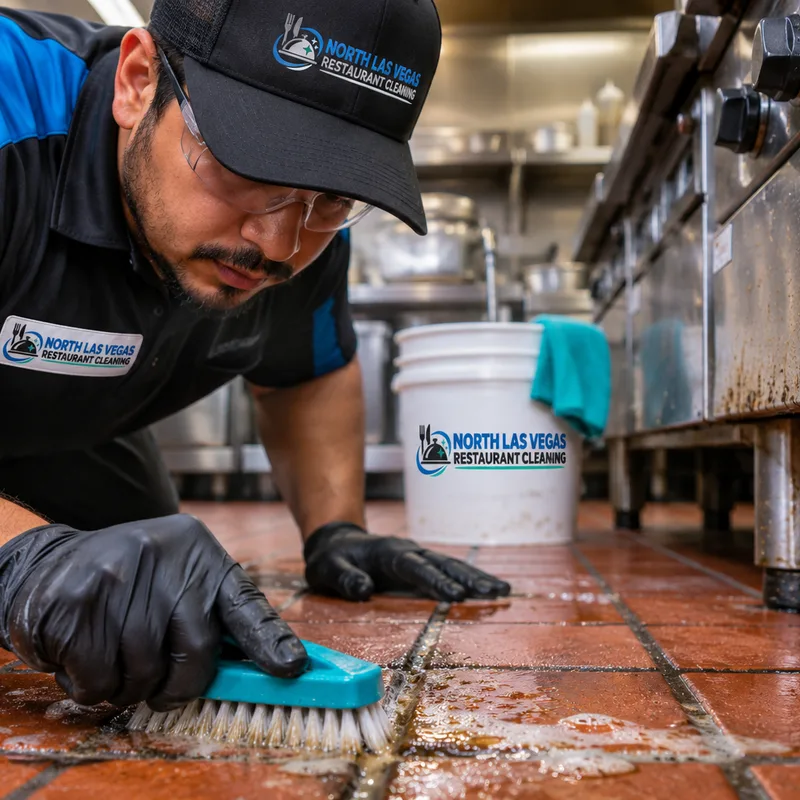
The condition of the floor matters. A lightly soiled maintenance visit differs from restoring layers of grease around a cook line. Heavy deposits may require repeated chemical application, agitation and recovery. Floor area alone does not determine the workload; equipment density, grout depth, floor texture and the amount of edge work can have a larger effect.
Before service, restaurant managers should identify sensitive equipment, arrange access to locked areas and confirm which movable items their staff will clear. Food, utensils and exposed preparation surfaces should be protected according to the restaurant's procedures. After cleaning, staff should wait until the agreed areas are dry and released for traffic. Ongoing spot cleaning with properly diluted products helps prevent detergent buildup between professional visits.
Request a Callback